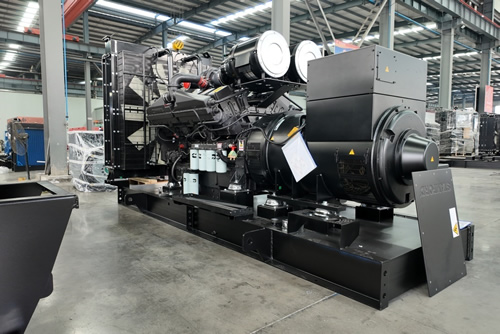
Determining the precise genset capacity requires matching the starting surge demand to the generator’s alternator output, typically accounting for an inductive load multiplier of 3.0 to 5.0 for electric motors. A 2,000-watt inverter generator often fails to start a 1,500-watt refrigerator, as the compressor spike frequently exceeds 4,500 watts for 2 seconds. By calculating the total wattage of all devices running simultaneously, plus a 20% safety margin for the Automatic Voltage Regulator, owners identify the minimum kVA rating required to prevent system shutdown while maintaining output efficiency.
A standard 5kW residential setup must account for the surge variance of reactive power loads which constitute up to 80% of transient power consumption during the first three seconds of operation. If you utilize induction motors, such as those found in HVAC units rated for 15,000 BTUs, the initial current draw reaches 35 amps at 120V. Reputable genset manufacturers publish specific KVA ratings that reflect sustained output rather than momentary peaks.
Engineers observe that operating a diesel generator below 30% of its rated capacity for more than 50 hours leads to glazing of the cylinder liners, which causes irreversible oil consumption.
When your total active load falls below this 30% threshold, the combustion chamber temperature remains insufficient to burn off fuel deposits. This creates carbon buildup on the valves that reduces engine compression by approximately 15% after 200 hours of light-load service. Properly sized equipment ensures the engine reaches optimal operating temperatures between 80°C and 90°C.
| Device Type | Running Watts | Starting Multiplier | Peak Required Watts |
| Submersible Pump | 800W | 4.0 | 3,200W |
| Central Air | 3,500W | 3.0 | 10,500W |
| LED Lighting | 60W | 1.0 | 60W |
Matching these specifications necessitates a detailed audit of every appliance nameplate, as industrial equipment standards require verification against UL 2200 or ISO 8528 compliance documentation. A 10kW unit often provides the versatility to handle multiple circuits simultaneously without triggering the main circuit breaker.
Altitude shifts significantly alter engine performance, with a 3% power loss occurring for every 1,000 feet of elevation increase above mean sea level.
Operating a 5kW generator at 6,000 feet elevation effectively reduces the available power to 4,100 watts, potentially overloading the alternator if the load remains constant. Engineers utilize derating charts provided by engine builders to calculate the real-world output at specific atmospheric pressures.
Frequency stability serves as a secondary indicator of system health, specifically for sensitive electronic loads requiring a Total Harmonic Distortion (THD) level below 5%. Most modern inverter-based units regulate the output frequency at 60Hz within a 0.5% tolerance range even when the load fluctuates rapidly.
Data from long-term durability tests shows that units kept at a 50% to 70% load factor exhibit 25% lower heat stress on internal windings compared to those running at 90% capacity. This range maintains the most efficient fuel consumption curve for gasoline-powered generators.
-
Verify the startup surge of every inductive motor on your circuit.
-
Calculate the cumulative load of all simultaneous devices to ensure they do not exceed 80% of the rated continuous output.
-
Consult the manufacturer’s altitude derating table before installation.
-
Monitor the exhaust color for signs of incomplete combustion caused by under-loading.
Applying a 20% overhead buffer allows the Automatic Voltage Regulator to handle unexpected surges without dropping voltage below 108V. If your total calculated surge load exceeds 6,000 watts, selecting an 8kW generator provides the necessary headroom to keep the internal inverter module cool.
Refining your selection based on real-time power metrics ensures the system remains operational for the intended 1,000-hour service interval. Oversized units waste fuel, whereas properly sized units maintain the necessary engine load for long-term mechanical integrity.