Mission Briefing and Deployment: Tactical Overview
default
Mission Briefing and Deployment
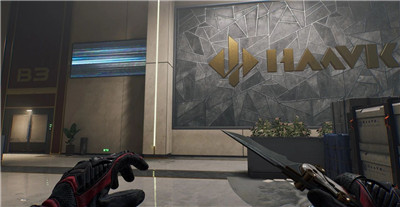
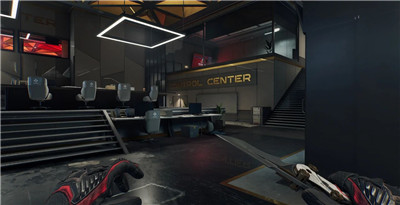
Not bad for mission camouflage, huh?
We're landing. Let's review the objectives. Keep them in mind.
Initial Deployment Protocol
In this high-stakes operation, our deployment strategy requires meticulous planning and execution. We have carefully selected entry points that provide optimal tactical advantages while minimizing exposure to hostile forces. The mission parameters dictate a stealthy approach, utilizing the natural terrain and urban infrastructure to mask our movements. Our gear loadout has been specifically calibrated for this mission's unique challenges, balancing mobility with firepower to ensure we remain adaptable to rapidly changing circumstances.
Intelligence Assessment
Our reconnaissance has identified multiple high-value targets operating within the designated zone. The intelligence briefing indicates a complex network of adversaries with varying armament capabilities and patrol patterns. We must remain vigilant as the situation on the ground may differ from our initial assessment. This article will outline the critical intelligence markers to monitor as we progress through the operation.
Communication Protocols
Maintaining secure communications throughout the mission is paramount to our success. We have established encrypted channels with redundant fallback options should our primary communication systems be compromised. Team coordination will follow the established command structure, with clear signals for emergency extraction if the situation deteriorates beyond acceptable parameters.
Mission Objectives Hierarchy
Our primary objective remains the secure extraction of critical assets, with secondary objectives including intelligence gathering and neutralization of specific threats. The mission success criteria have been clearly defined with contingency plans in place for various scenarios. We must prioritize these objectives according to the evolving tactical situation, always keeping the end goal in focus.
Environmental Considerations
The operational theater presents unique environmental challenges that will impact our tactical decisions. Weather conditions, civilian presence, and structural integrity of key buildings have all been factored into our approach. We have prepared specialized equipment to address these environmental variables, ensuring our team can navigate and operate effectively regardless of conditions encountered.
Extraction Planning
Before we even begin the operation, we must establish multiple extraction routes with predetermined rally points. Our extraction vehicles are positioned strategically with backup options in place. The timing of extraction windows has been synchronized with external support elements to ensure seamless coordination when we need to make our exit.
Tactical Objectives: Shoot, Loot, and Tackle the Coup
With our deployment protocols established and intelligence assessment complete, we now turn our attention to the core tactical objectives that will define this operation. The mission mantra remains clear and concise: shoot, loot, and tackle the coup. This three-pronged approach forms the backbone of our operational strategy and requires meticulous execution to achieve optimal results.
Strategic Engagement Protocols
Our engagement strategy must balance precision with adaptability. When confronting hostile elements, we must prioritize tactical shooting disciplines that maximize effectiveness while conserving ammunition. This involves identifying high-value targets within enemy formations and neutralizing them first to disrupt command structures. We have identified several key engagement zones where controlled aggression will yield the greatest tactical advantage. The suppression of enemy positions should be coordinated to create windows of opportunity for flanking maneuvers, allowing our team to systematically clear areas with minimal exposure to return fire.
Resource Acquisition Methodology
The acquisition of critical resources—the "loot" component—represents a vital mission objective. We must systematically secure valuable intelligence, equipment, and supplies that will both sustain our operation and deny these resources to opposition forces. Our intelligence briefing has highlighted several high-priority acquisition targets:
Classified intelligence documents detailing the coup's leadership structure
Communication equipment capable of intercepting enemy transmissions
Advanced weaponry that would provide tactical advantages in subsequent engagements
Supply caches containing medical equipment and ammunition reserves
Each acquisition must be evaluated for its strategic value versus the risk involved in securing it. This article emphasizes the importance of maintaining operational security during resource collection, as careless acquisition patterns may alert enemy forces to our presence and objectives.
Counter-Coup Tactical Framework
The culmination of our mission involves direct intervention in the ongoing coup attempt. This requires a sophisticated understanding of the political and military dynamics at play. We must identify and neutralize key coup leadership while preserving the legitimate command structure. This delicate operation involves:
Identification and isolation of coup leadership elements
Secure extraction of loyalist personnel under threat
Strategic disruption of coup communication networks
Establishment of secure zones for legitimate authority restoration
The counter-coup operations must be executed with surgical precision to minimize collateral damage and prevent further destabilization. Our approach must remain flexible as the situation evolves, with contingency plans ready for implementation should initial efforts encounter unexpected resistance.
Terrain Utilization and Control
Effective utilization of the operational environment provides significant tactical advantages. We must secure and hold key terrain features that offer superior firing positions, observation points, and defensive cover. Urban environments present unique challenges and opportunities, with multi-story structures offering vertical engagement options that can decisively influence the battlefield. Our movement through the area must incorporate terrain masking to minimize exposure while maximizing observation capabilities.
Force Multiplication Techniques
To overcome potential numerical disadvantages, we must employ sophisticated force multiplication techniques. This includes the strategic deployment of area denial munitions, implementation of deception operations to misdirect enemy forces, and utilization of environmental factors to channel enemy movements into prepared engagement zones. The synchronization of these techniques with our primary objectives will create cascading effects that amplify our tactical impact beyond our numerical strength.
Operational Tempo Management
Maintaining the initiative requires careful management of operational tempo. We must alternate between periods of high-intensity action and strategic pauses to regroup and reassess. This pulsing approach prevents enemy forces from adapting to our operational patterns while allowing our team to conserve energy for critical engagements. The timing of major offensive actions should coincide with identified vulnerabilities in enemy defensive postures, exploiting windows of opportunity as they present themselves.
As we proceed to execute these tactical objectives, the principles outlined in this chapter will serve as our operational compass, guiding our moment-to-moment decisions within the broader strategic framework. The successful integration of these shooting, looting, and counter-coup tactics will position us optimally for the high-end extraction phase detailed in the subsequent chapter.
High-End Extraction Gameplay Mechanics
Having established our tactical objectives and operational framework in the previous chapters, we now turn our attention to the critical phase of any high-stakes mission: extraction. This pivotal component requires precision, timing, and adaptability to ensure all acquired assets and personnel exit the operational zone safely. The extraction phase represents the culmination of our efforts and demands a comprehensive understanding of specialized gameplay mechanics.
Extraction Zone Dynamics
The extraction phase introduces complex spatial and temporal considerations that fundamentally alter tactical decision-making. Extraction zones are strategically positioned at the periphery of operational areas, requiring calculated movement through potentially hostile territory. These zones operate on strict timing protocols, with extraction windows that open and close according to predetermined schedules. We must synchronize our movements with these windows while maintaining situational awareness of enemy patrol patterns and potential ambush points. The dynamic nature of extraction zones means they may shift locations based on threat assessments, requiring adaptability and contingency planning.
Weight Management Systems
A sophisticated weight management system governs our extraction capabilities. Each team member possesses a specific weight capacity that directly impacts mobility, stamina, and combat effectiveness. The strategic value of acquired assets must be weighed against their physical burden. This article emphasizes the importance of prioritizing high-value, low-weight items when operating near capacity thresholds. The system incorporates graduated movement penalties that increase with burden, creating critical decision points regarding which items to retain and which to abandon when extraction becomes imminent.
Secure Container Mechanics
Our operational loadout includes specialized secure containers that provide guaranteed asset retention regardless of mission outcome. These containers feature limited capacity, necessitating careful selection of which critical items receive this protection. The strategic utilization of secure containers requires forward planning and risk assessment. Items placed within these containers become immediately available for future operations, creating a progression system that spans multiple deployments. This mechanic introduces a meta-strategic layer to our decision-making, where certain high-value acquisitions may justify increased operational risk.
Extraction Insurance Protocols
To mitigate potential asset loss, we have implemented an extraction insurance system that provides partial compensation for equipment lost during failed extractions. This system operates on a tiered structure, with premium coverage options offering enhanced recovery rates for specialized equipment. The cost-benefit analysis of insurance selection forms an integral part of pre-mission planning, with higher-risk operations warranting more comprehensive coverage. We must calculate potential losses against insurance premiums to optimize resource allocation across multiple operations.
Exfiltration Route Selection
The path to extraction presents multiple viable routes, each with distinct risk-reward profiles. Primary extraction routes offer the most direct path but typically feature higher enemy presence. Secondary routes involve longer transit times but reduced opposition. Tertiary extraction options may require special equipment or environmental conditions but provide maximum stealth potential. This article advocates for maintaining flexibility in route selection, adapting to emerging threats and opportunities as they develop during the operation. The ideal approach involves identifying multiple potential routes during the planning phase while reserving final selection until extraction becomes imminent.
Contested Extraction Scenarios
Extraction zones frequently become focal points for enemy activity, creating high-intensity conflict zones as multiple parties converge on limited extraction opportunities. These contested scenarios require specialized tactics that differ from standard engagement protocols. We must establish defensive perimeters with overlapping fields of fire, utilize sound masking techniques to conceal our position, and employ timed aggression to create extraction windows. The psychological pressure of extraction scenarios often leads to tactical errors by opposition forces, creating exploitable opportunities for disciplined teams.
Extraction Signal Management
The extraction process involves sophisticated signal management to coordinate with extraction assets while minimizing electronic signature. Our communication protocols incorporate redundant systems with primary, secondary, and tertiary signaling methods. These range from high-technology encrypted transmissions to low-technology visual signals that function even in communications-denied environments. The timing of extraction signals requires precision, as premature signaling may alert hostile forces to our intentions while delayed signaling risks missing critical extraction windows.
Inter-Team Extraction Dynamics
When operating in environments with multiple friendly teams, extraction mechanics introduce complex inter-team dynamics. Extraction assets possess limited capacity, creating potential competition for extraction opportunities. While direct conflict with friendly forces contradicts operational parameters, strategic positioning and resource control can secure preferential extraction status. This article recommends establishing clear communication with other operational teams when possible, potentially coordinating complementary extraction schedules that benefit all parties while minimizing unnecessary risk.
The high-end extraction mechanics detailed in this chapter represent the culmination of our tactical approach, bridging the operational execution covered in previous chapters with the advanced combat strategies to be discussed in the final section. Mastery of these extraction systems transforms the high-pressure conclusion of operations from a vulnerability into a strategic advantage, allowing us to consistently complete missions while preserving acquired assets for future deployments.
Advanced Combat Strategies and Mission Completion
Having established the foundational elements of our operation through deployment protocols, tactical objectives, and extraction mechanics in previous chapters, we now focus on the sophisticated combat strategies that will ensure mission success. As we approach the culmination of our operation, the mantra "shoot, loot, and tackle the coup" transforms from a simple directive into a complex tactical framework requiring advanced implementation. This chapter delves into elite-level combat methodologies and mission completion protocols that separate successful operators from casualties.
Asymmetric Engagement Doctrine
In high-stakes operational environments, conventional force-on-force tactics often prove insufficient. Our asymmetric engagement doctrine leverages environmental manipulation, psychological warfare, and tactical deception to create favorable combat conditions regardless of numerical disadvantages. We prioritize creating scenarios where our strengths directly exploit enemy weaknesses, rather than meeting opposition on equal terms. This approach involves identifying critical vulnerabilities in enemy formations and systematically exploiting them through precisely timed strikes rather than sustained engagements.
Advanced Ballistic Management
Mastery of advanced ballistic principles significantly enhances combat effectiveness in complex operational theaters. We must account for bullet drop, travel time, and environmental factors when engaging targets beyond medium range. The integration of these ballistic calculations into rapid target acquisition creates opportunities for precision elimination of high-value targets from positions of relative safety. This article emphasizes the importance of understanding ammunition-specific performance characteristics and their optimal application scenarios, allowing for ammunition conservation while maximizing effectiveness.
Sensory Exploitation Techniques
The modern battlefield presents a rich sensory environment that can be weaponized through sophisticated exploitation techniques. We have developed methodologies for manipulating the auditory battlefield through strategic sound generation and suppression, creating false positives that misdirect enemy attention or mask our actual movements. Similarly, visual manipulation through controlled use of lighting, smoke, and environmental disturbance provides tactical advantages when properly synchronized with movement patterns. These sensory exploitation techniques compound in effectiveness when multiple sensory channels are manipulated simultaneously.
Tactical Position Rotation
Static defensive positions inevitably become compromised in extended engagements. Our tactical position rotation protocol establishes a systematic approach to position abandonment and reacquisition that prevents enemy forces from accurately tracking our movements. This involves the preparation of multiple firing positions with pre-planned transition routes that minimize exposure during repositioning. The timing of these rotations should occur before enemy forces can effectively triangulate our location, creating a perpetual positioning advantage that frustrates enemy counterattacks.
Threat Prioritization Matrix
In complex combat scenarios featuring multiple threat vectors, instantaneous threat assessment becomes critical to survival. We have developed a sophisticated threat prioritization matrix that weighs factors including:
Immediate lethality potential
Target awareness of our position
Armament capability
Distance and firing angle
Available cover relative to threat position
Supporting elements accompanying the threat
This matrix allows for split-second decision-making regarding which threats must be neutralized immediately versus those that can be temporarily managed through suppression or avoidance. The application of this matrix must become instinctual through repeated training scenarios.
Resource-Conscious Combat
As established in our tactical objectives, the acquisition and retention of resources represents a primary mission parameter. Our combat methodology must therefore incorporate resource consciousness at every level. This includes ammunition conservation through disciplined fire control, medical supply preservation through tactical positioning that minimizes injury probability, and strategic engagement selection that prioritizes resource-rich targets. We must constantly evaluate the resource cost-benefit ratio of potential engagements, sometimes choosing avoidance over confrontation when the resource equation proves unfavorable.
Environmental Weaponization
The operational environment itself presents numerous opportunities for weaponization beyond conventional armaments. We have identified techniques for utilizing structural elements as force multipliers, including the strategic destruction of support structures to create area denial zones, manipulation of lighting systems to create visual advantages, and utilization of existing infrastructure as improvised defensive positions. The environment should be viewed as an extension of our arsenal rather than merely the backdrop against which combat occurs.
Psychological Combat Engineering
Beyond physical engagement, advanced combat incorporates sophisticated psychological elements designed to degrade enemy combat effectiveness. Our psychological combat engineering involves creating uncertainty regarding our force strength and positioning, establishing patterns that encourage predictable enemy responses before exploiting those patterns, and utilizing precise violence of action to create disproportionate psychological impact. These approaches effectively multiply our combat power by degrading enemy decision-making capabilities and unit cohesion.
Mission Culmination Protocols
As the operation approaches its conclusion, specific protocols must be implemented to ensure successful mission completion. This phase requires a comprehensive assessment of objective completion status, secure packaging of acquired intelligence and resources, and final neutralization of persistent threats that could compromise extraction. We must establish clear communication regarding mission status among all team members, ensuring unified understanding of remaining objectives and extraction timing. The transition from active operation to extraction preparation represents a vulnerable phase requiring heightened vigilance and disciplined execution.
After-Action Integration
The completion of the physical mission marks the beginning of the critical after-action integration phase. This process involves secure transmission of acquired intelligence to appropriate channels, detailed documentation of operational discoveries for future mission planning, and comprehensive analysis of tactical decisions for continuous improvement. The lessons extracted from each operation become foundational elements for subsequent mission planning, creating an evolutionary tactical development that maintains our operational edge.
The advanced combat strategies detailed in this chapter represent the culmination of our tactical philosophy. By integrating these sophisticated approaches with the foundational elements established in previous chapters, we transform the core directive—shoot, loot, and tackle the coup—from a simple mantra into a comprehensive operational framework capable of addressing the most challenging mission parameters. This article has provided the tactical blueprint; successful execution now depends on disciplined implementation and adaptive application in the field.
Why Lootbar.gg is the best choice for Delta Force Coins Top-up?
Looking to elevate your gaming experience? Delta Force top upthrough lootbar.gg offers unmatched advantages for serious players. By purchasing premium in-game currency, you'll gain immediate access to exclusive weapons, character customizations, and battle passes that give you a competitive edge on the battlefield. The lootbar trading platform stands out with its lightning-fast delivery, competitive pricing, and bank-level security for all transactions. Unlike other services, lootbar.gg provides dedicated 24/7 customer support specifically for Delta Force players, ensuring any issues are resolved promptly so you can get back to dominating the game. With flexible payment options and special promotional bonuses, topping up your Delta Force coins has never been more rewarding or convenient.
 Not bad for mission camouflage, huh?
We're landing. Let's review the objectives. Keep them in mind.
Not bad for mission camouflage, huh?
We're landing. Let's review the objectives. Keep them in mind.